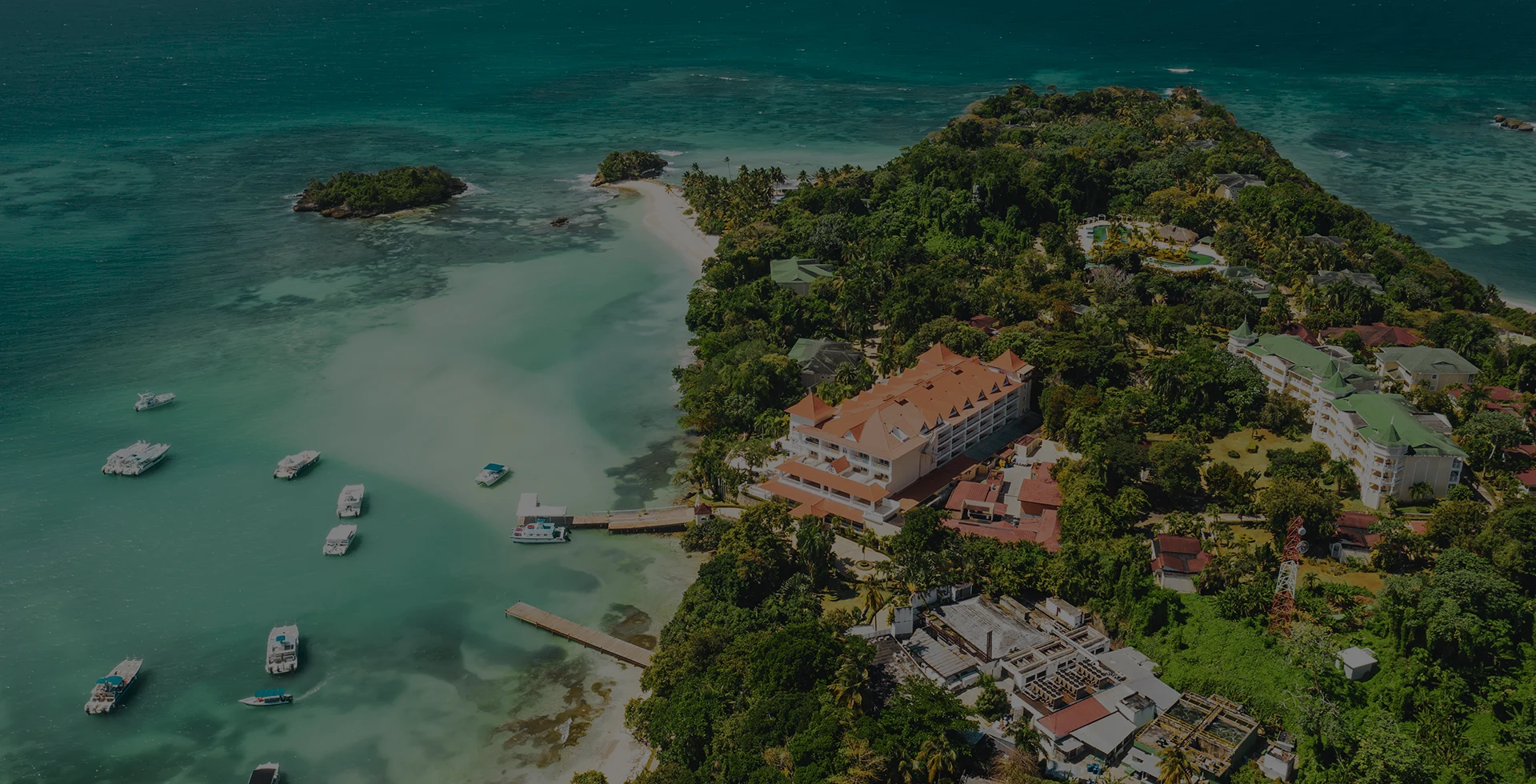
Discovering the Dominican Republic beyond resorts
This diverse Dominican nation offers authentic Caribbean travel experiences, revealing lush mountains, vibrant colonial cultural heritage, and adventure tourism opportunities.
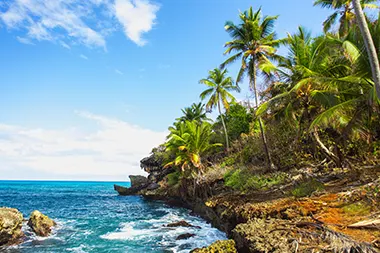
Bahía de Samaná
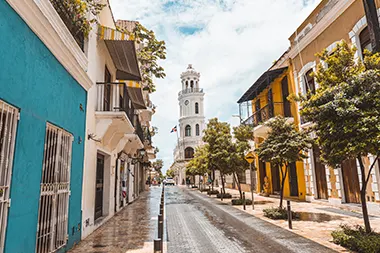
Zona Colonial, Santo Domingo
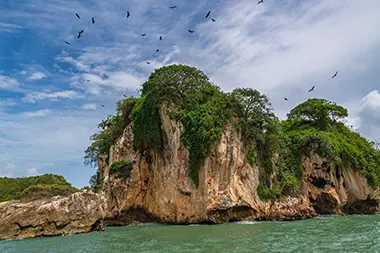
Los Haitises National Park

Travel tips: choosing the season and packing your bag

A successful trip to the Dominican Republic requires careful travel planning for its beaches, mountains, and activities. The best time to visit is ideal from December to April, with a dry climate and pleasant temperatures. Avoid the rainy season, between May and November, which brings sudden downpours and high humidity.
Before you leave, create a Dominican Republic packing list for planned activities: swimsuit and sunscreen for Punta Cana’s beaches or Samaná, comfortable shoes for hikes in Jarabacoa or Pico Duarte, and light clothing for tropical climate. Don’t forget essentials like a hat, sunglasses, a universal power adapter, and a small first-aid kit. Careful trip planning ensures enjoyment of Dominican natural and cultural diversity without surprises.
Adventures awaiting active travelers in nature
Engaging with the Dominican natural environment provides memories lasting longer than a tan. Whether exploring underwater or atop a mountain, diverse outdoor activities and eco-tourism adventures await.
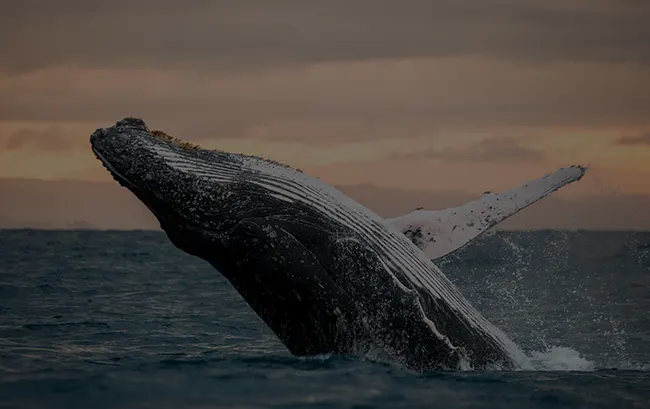
Humpback whale watching

Kitesurfing in Cabarete

Hiking majestic peaks
Accommodation options for every traveler
For those seeking an authentic Dominican experience, local apartments or houses are available, often in typical neighborhoods, revealing daily life and local culture. Budget-friendly eco-lodges and rural lodges appeal to nature enthusiasts, offering tranquil settings near mountains, waterfalls, or nature reserves. For luxury travel, private resorts or villas with personalized services offer tailor-made experiences, including excursions, private chefs, or water sports, perfect for a customized Caribbean vacation.
Hostels and guesthouses
Ideal for travelers seeking to save money, meet others, and stay close to beaches or Dominican city centers. Examples include hostels in Santo Domingo or Sosúa, offering affordable accommodation options.
3- to 4-star hotels
Mid-range hotels offer comfort with a pool, breakfast, and proximity to main attractions, remaining cost-effective. Examples: popular hotels in Punta Cana or Puerto Plata provide value accommodation.
All-inclusive resorts
Ideal for a relaxing, hassle-free luxury stay, with restaurants, on-site activities, and top-notch service. Examples include premium resorts in Bávaro, Samaná, or Cayo Levantado, offering all-inclusive Dominican vacation packages.
Discover the daily life and culture of the Dominican Republic

Music and dance
Merengue and bachata rhythms set the rhythm of Dominican daily life, enlivening parties and celebrations throughout the country. These traditional musical expressions define local cultural experiences.
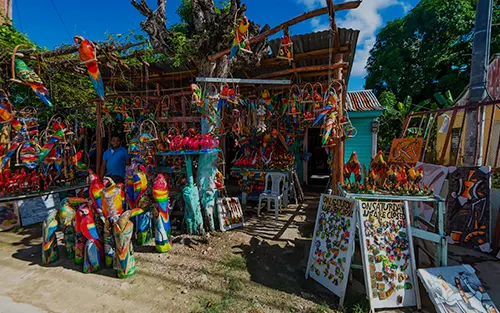
Local markets and crafts
Vibrant local markets overflow with fresh produce, spices, and authentic Dominican crafts, reflecting unique local artistry and culture. Discover traditional souvenirs.

Family life
Family ties are central to Dominican society, with regular gatherings and strong emphasis on intergenerational relationships. This highlights core cultural values.
Discover the culinary riches of the Dominican Republic
Dominican gastronomy is a true blend of cultures and flavors, reflecting its rich history and diversity. Traditional dishes like sancocho, a hearty stew, or mangu, a plantain puree, are part of everyday Dominican life. Local markets offer fresh produce, spices, and tropical ingredients, while street food provides quick, tasty specialties such as empanadas or chicharrón. Typical desserts and drinks, like dulce de leche or mamajuana, add a unique touch. Sharing a meal with family or friends is a vital tradition, illustrating gastronomy’s central role in the country’s vibrant social and cultural life.